
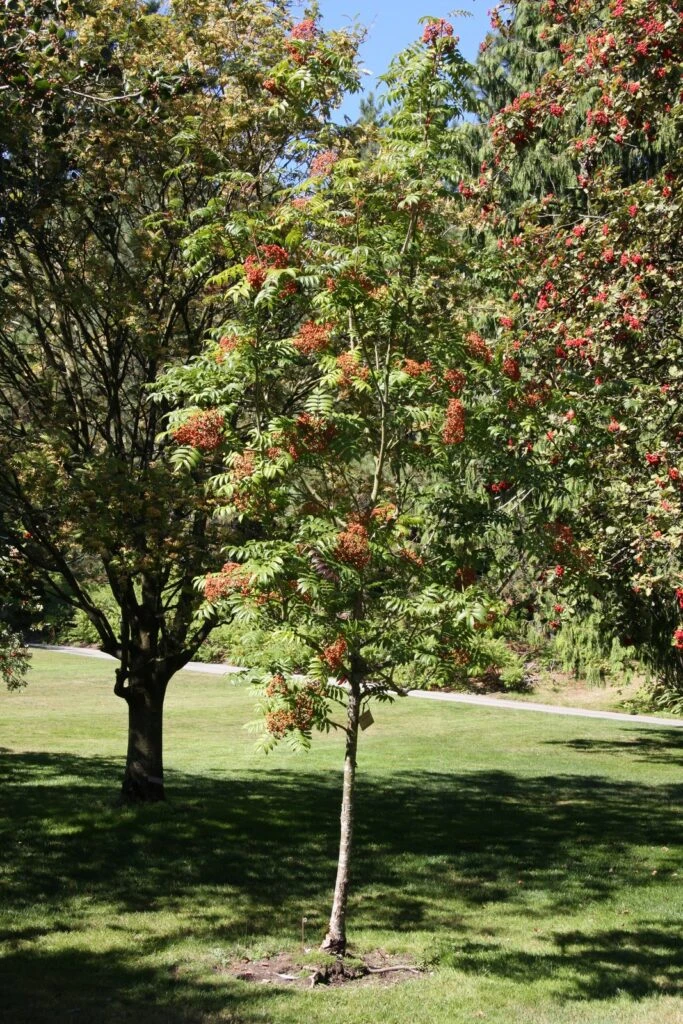
Sorbus Sargentiana
Original price was: $31.00.$21.70Current price is: $21.70.
- High quality products, low prices.
- Satisfaction Guaranteed
- Peace of Mind with Every Purchase
- Service with a smile, always online.

Attributes
- <?xml version=”1.0″ encoding=”UTF-8″ standalone=”no”?>
Deciduous
- Tree shape: Standard
- S Size: Small
- Leaf colour: Green
- <?xml version=”1.0″ encoding=”UTF-8″ standalone=”no”?>
Flower colour: White
- <?xml version=”1.0″ encoding=”UTF-8″?>
Pruning not necessary
- Flowering month: May
- Fruit for wildlife
- <?xml version=”1.0″ encoding=”UTF-8″ standalone=”no”?>
Clay tolerant
- <?xml version=”1.0″ encoding=”UTF-8″ standalone=”no”?>
Tolerates coastal sites
- Wet tolerant
- Autumn colour
- <?xml version=”1.0″ encoding=”UTF-8″ standalone=”no”?> Award-winning
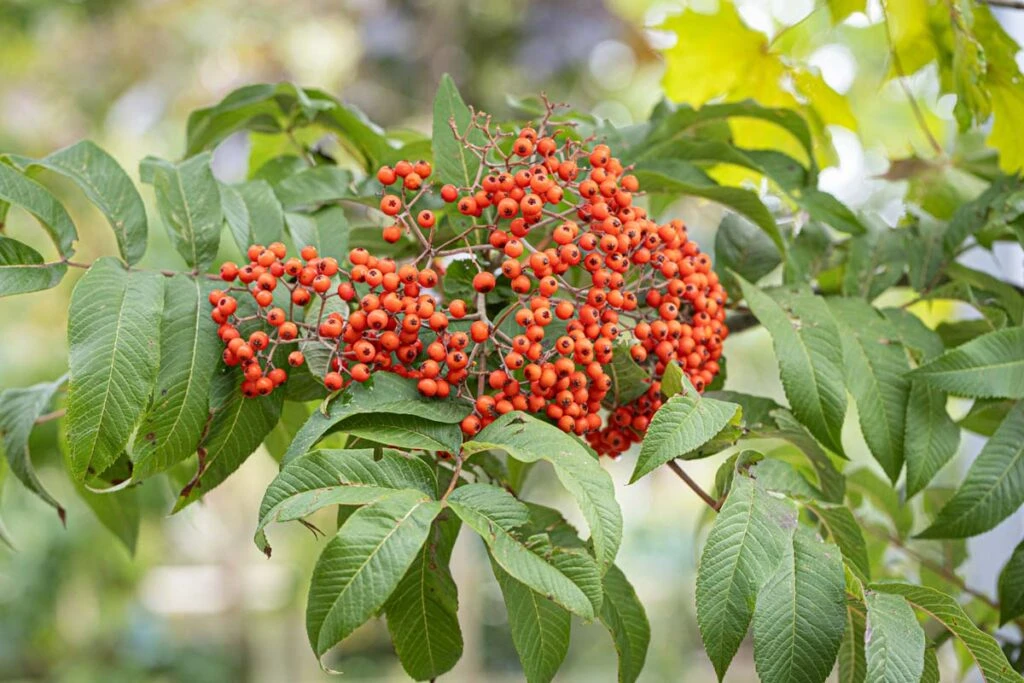
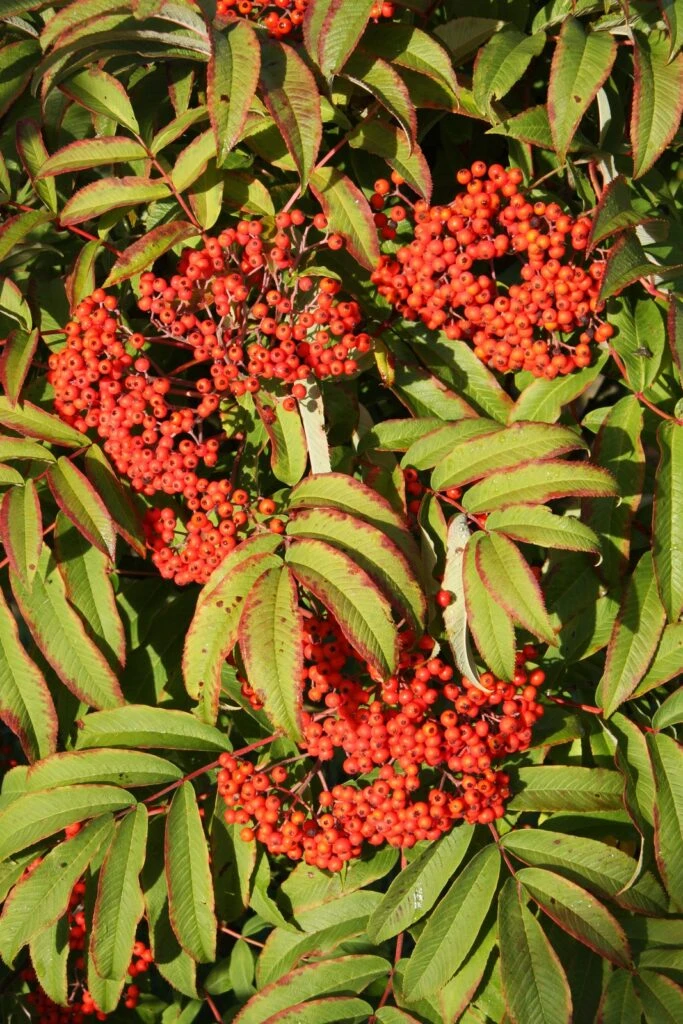
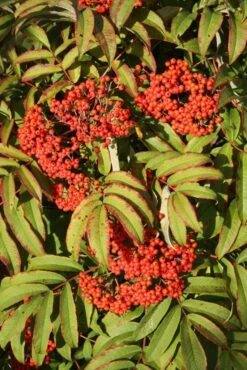
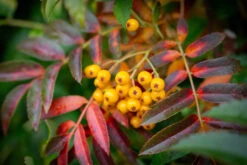
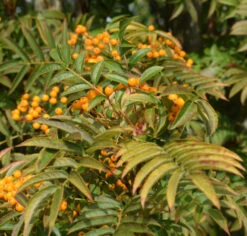
Description: A spreading, slow growing tree best known for its large, red, sticky buds at the branch tips in winter and spring, rather like those of a horse chestnut tree. The large plume like red stalked leaves are downy underneath turning rich red in autumn. Creamy white flowers emerge in May-June that are particularly popular with foraging bees, followed by bunches of orangey red berries that hang onto the branches into winter until the birds devour them.
History: Native to western China. Discovered by Ernst Wilson in 1903 and introduced by him in 1908.
Sorbus Growing Tips: Grow in moderately fertile, humus-rich, well-drained soil in full sun or light shade. Hardy and tolerant of urban pollution and coastal conditions.
Height and Spread (after 10 years): 4m x 3m
Be the first to review “Sorbus Sargentiana”
Related products
Ornamental Trees
Ornamental Trees
Ornamental Trees
Ornamental Trees
Ornamental Trees
Ornamental Trees
Ornamental Trees
Ornamental Trees
Reviews
There are no reviews yet.