


Aesculus Hippocastanum
Original price was: $72.00.$50.40Current price is: $50.40.
- High quality products, low prices.
- Satisfaction Guaranteed
- Peace of Mind with Every Purchase
- Service with a smile, always online.

Attributes
- <?xml version=”1.0″ encoding=”UTF-8″ standalone=”no”?>
Deciduous
- Tree shape: Standard
- L Size: Large
- Leaf colour: Green
- <?xml version=”1.0″ encoding=”UTF-8″ standalone=”no”?>
Flower colour: White
- Growth rate: Fast
- Open space planting
- Flowering month: May
- Fruit for wildlife
- Chalk tolerant
- <?xml version=”1.0″ encoding=”UTF-8″ standalone=”no”?>
Clay tolerant
- Can be hard pruned
- Scented flowers
- Autumn colour
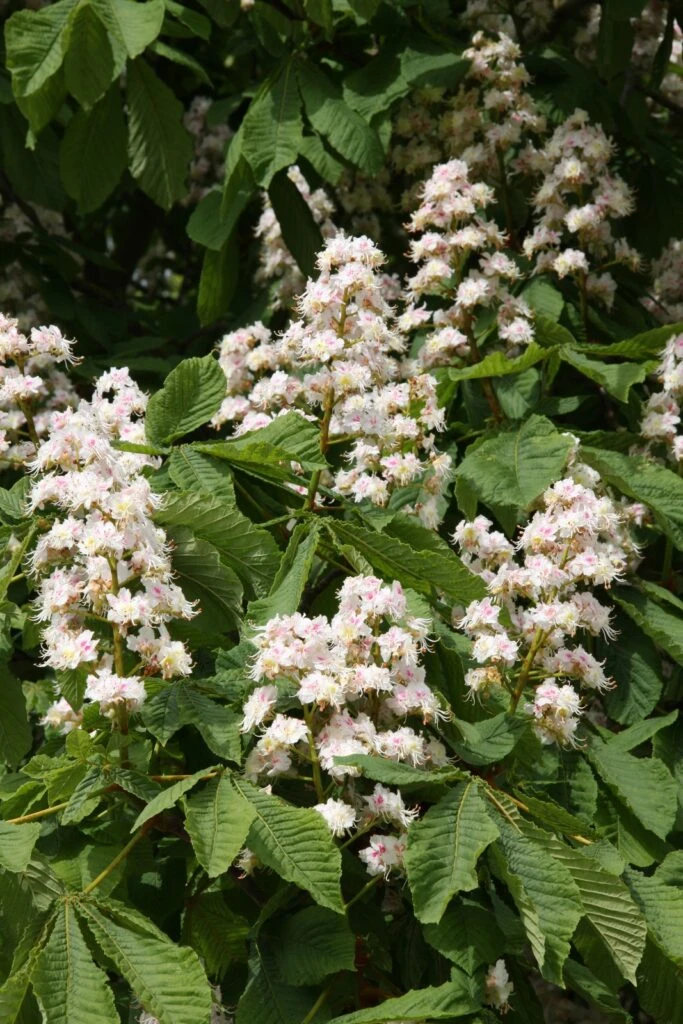
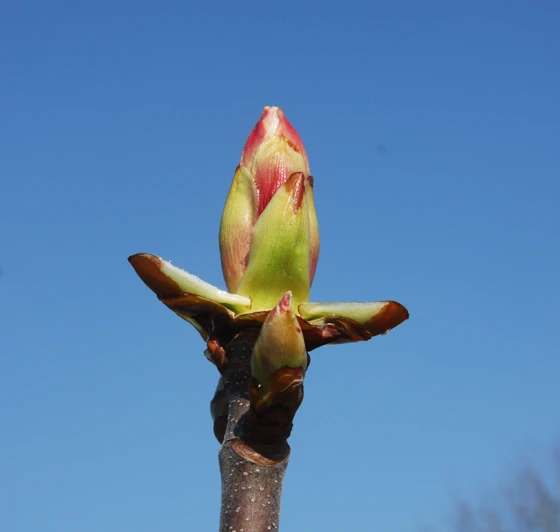
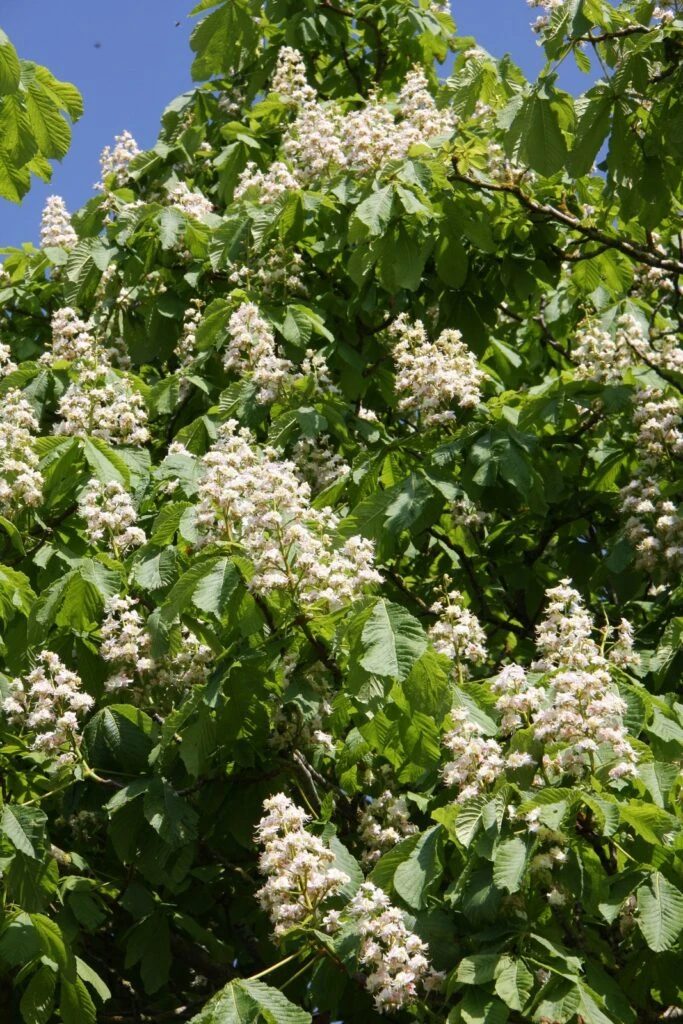
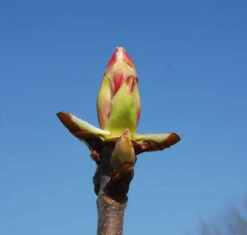
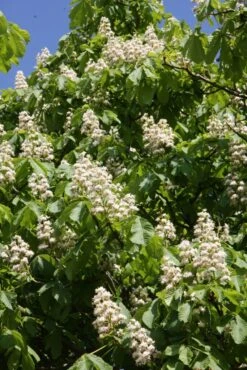
Description: Aesculus hippocastanum, also known as the Common Horse Chestnut is possibly the most beautiful of very large, flowering trees. Sticky buds progress to large bright green palmate leaves, turning yellow and orange-brown in autumn. Exceptionally attractive in May when large white ‘candle’ flowers cover the tree with a unique scent. Rounded, spiny green husks enclose one or two shiny brown ‘conkers’ in the autumn that are a childrens favourite for games! Suitable as a specimen in large gardens and parks. Susceptible to the ‘Chestnut Leaf Miner’. TOXIC IF EATEN.
History: Introduced into Europe in 1576 and to Britain in the early 17th Century. Received an Award of Garden Merit from the Royal Horticultural Society.
Aesculus Growing Tips: Most varieties require a lot of space to grow. Thrive in almost any well drained soils. Prefer to be planted in full sun or partial shade.
Height and Spread (after 10 years) : 12m x 8m
Be the first to review “Aesculus Hippocastanum”
Related products
Ornamental Trees
Ornamental Trees
Ornamental Trees
Ornamental Trees
Ornamental Trees
Ornamental Trees
Ornamental Trees
Ornamental Trees
Reviews
There are no reviews yet.