Adam’s Pearmain
Original price was: $23.00.$16.10Current price is: $16.10.
- High quality products, low prices.
- Satisfaction Guaranteed
- Peace of Mind with Every Purchase
- Service with a smile, always online.

Attributes
- Storing: March
- Pollination group 2
- Uses: Eating
- J Uses: Juice
- Picking month: Early October
- Self-fertility: Not self-fertile
- Any UK district
- Relatively trouble-free
- <?xml version=”1.0″ encoding=”UTF-8″ standalone=”no”?>
Disease-resistant
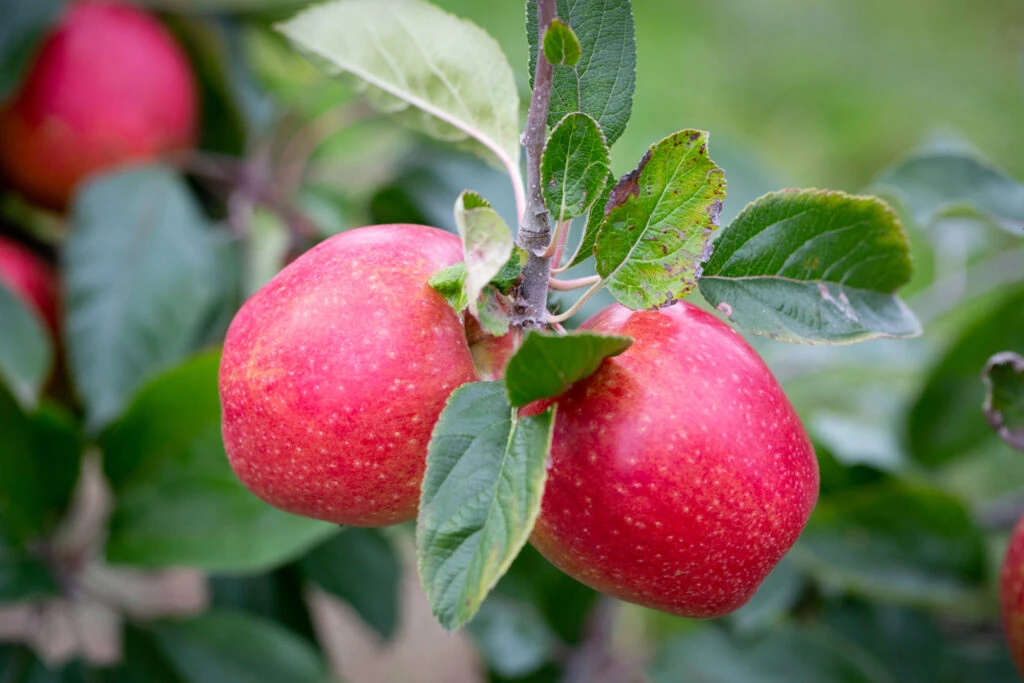
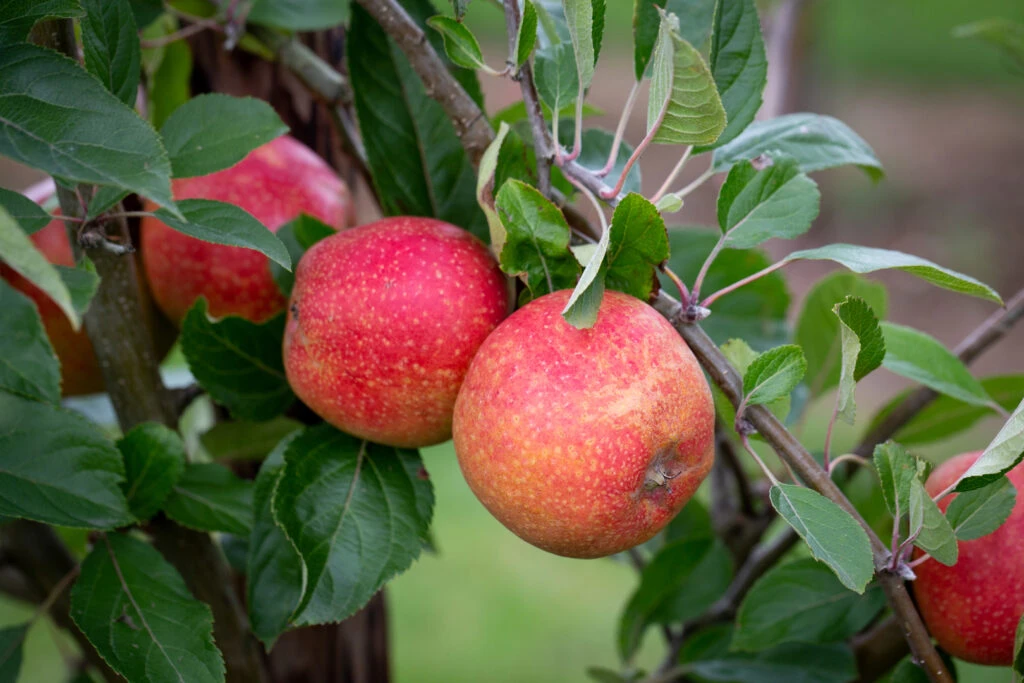
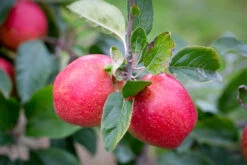
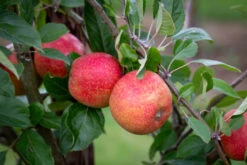
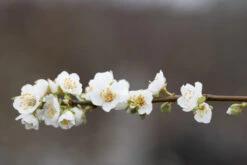
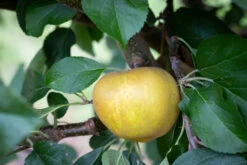
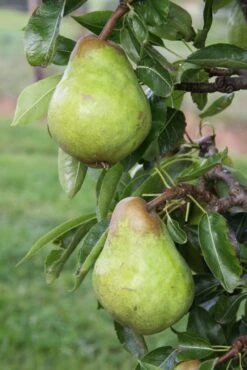
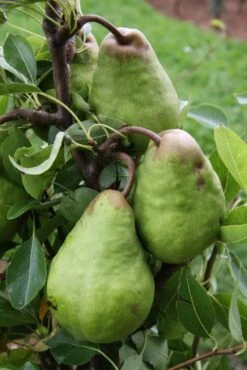
Description: Adam’s Pearmain is a distinctive late, high quality dessert apple. The fruits have a typical Pearmain shape. Orange flushed with attractive lenticel spots and red-brown smooth skin. The flesh is cream, juicy and crisp when eaten fresh, later on with age this can become drier but tender. A rich, aromatic, nutty flavour; firmly textured. Adam’s Pearmain is an excellent keeper and extremely attractive. A very healthy apple which is resistant to scab, frost and powdery mildew. A lovely white, pink tipped blossom in the spring and a dark green leaf.
History: Originates from Norfolk or Hereford where the apple was known as Hanging Pearmain. R. Adams brought notice and donated scion wood to London Horticultural Society c1826 under the name of ‘Norfolk Pearmain’ because he had received them from Norfolk. But Dr Hogg was convinced it was a Herefordshire apple. A very popular variety in the Victorian era with London markets and fruiterers because it was attractive for window and table displays.
Pollination Partners: Apple Annie Elizabeth Apple Bountiful Apple Charles Ross Apple Christmas Pippin Apple Fiesta Apple James Grieve Apple Laxton’s Superb Apple Lord Lambourne
Be the first to review “Adam’s Pearmain”
Related products
Fruit Trees & Bushes
Fruit Trees & Bushes
Fruit Trees & Bushes
Fruit Trees & Bushes
Fruit Trees & Bushes
Fruit Trees & Bushes
Fruit Trees & Bushes
Fruit Trees & Bushes
Reviews
There are no reviews yet.